
The Intriguing World of Jueteng
Jueteng is an illegal numbers game predominantly played in the Philippines. Despite repeated efforts by the government to curb its prevalence, it has persisted over the decades, becoming deeply embedded in certain cultures and communities. Rooted in Spanish heritage, its structure is similar to that of a lottery, but with nuanced differences that fuel its popularity.
How Jueteng Works
At its core, Jueteng involves betting on a combination of numbers. These numbers relate to various outcomes that have been pre-determined through clandestine means. Participants can choose combinations ranging from two to four digits, typically selected from numbers 1 to 37. Draws are conducted daily, with numbers often chosen through different unconventional methods, such as using marked balls or concealed items. The game's allure lies in its simplicity and the immediate cash rewards it offers.
The Operators and Bettors
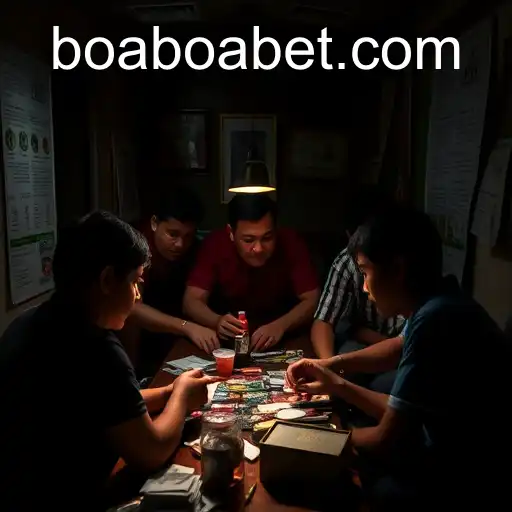
The game is facilitated by a network of operators and collectors. Bettors hand over their wagers to collectors, who then relay these to the cobradors or banker, who is responsible for everything, from drawing the numbers to paying out winnings. An intimate relationship often exists between participants and those running the game, contributing to its widespread acceptance and persistence.
The Societal Impact of Jueteng
Jueteng has significant implications for local communities. On one hand, it offers a source of income not only for those directly involved but also for local vendors and small businesses. It is even rumored to fund political campaigns and curry favor with various societal leaders. On the other hand, it often breeds corruption, as law enforcement and public officials are sometimes paid off to overlook its operation.
The Shadowed Economy
In several regions, Jueteng forms a shadow economy that thrives with little official oversight. It exemplifies how organized gambling can influence local economies by supporting livelihoods and, paradoxically, stifling legitimate business growth.
Jueteng and Its Unlikely Connection to Brazilian Games
An intriguing aspect of Jueteng is its conceptual similarity with another form of illegal gambling often referred to as the "Brazilian game." This coupling may appear unlikely at first glance, given their geographic disparities, but both share comparable structures and cultural significances.
Parallel Patterns
Despite originating from different corners of the world, Jueteng and Brazilian games display parallel patterns. Both are manifestations of a universal fascination with chance, and both provide the ordinary citizen with an opportunity to transform fortunes overnight. This highlights a pervasive theme in which economic disparities nurture environments where such illicit activities can thrive.
Policy and Enforcement
The continued prevalence of Jueteng suggests weaknesses in enforcement strategies. While laws exist to penalize participation and operation of Jueteng, inconsistent application and corruption undermine these regulations. Similarly, in areas engaging with any "Brazilian game," regulatory loopholes and susceptible officials often provide unintended shields for illegal activities.
The Quest for Control
The question that arises is how policymakers can effectively dismantle such ingrained activities without causing socioeconomic upheaval. Many suggest robust community engagement and providing viable alternatives as solutions. However, these are long-term strategies that require commitment and consistency, values sometimes challenging to sustain.
The Role of Culture and History
Understanding Jueteng necessitates an appreciation for its historical and cultural roots. Its endurance can be partly attributed to cultural narratives that romanticize defiance and resourcefulness. In the Philippines, Jueteng is more than just a game; it orders aspects of daily life, serving as an informal social glue around which communities coalesce.
The Cultural Glue
As with any form of gambling, the camaraderie and suspense involved in betting draw people together, constructing a narrative that intertwines personal dreams with broader societal luck. This cultural tie is analogously observed within the players of Brazilian games, who find themselves similarly drawn to the promise of instant transformation.
The Future of Jueteng
With evolving economic conditions and technological advancements, the future of Jueteng remains uncertain. The potential exists for technology either to enhance its proliferation or offer pathways for its regulation and redirection into legitimate forms. New policies focused on technological intervention continue to be debated, especially with the ongoing global discourse on gambling legislation and reform.
A Constant Evolution
The landscape of gambling in the Philippines and areas with the "Brazilian game" is ever-shifting. Whether it be through interventions, outright bans, or a shift to regulation, the future will depend on the stakeholders' ability to address underlying economic and social drivers.