
h1GuanGong An Intriguing Brazilian Strategy Gameh1
pIn the vibrant world of board games, where strategy meets tradition, few titles stand out like GuanGong. Originating from Brazil, this game captivates enthusiasts with its unique fusion of historical elements and engaging mechanics. As the gaming community continues to expand globally, GuanGong has emerged as both a cultural icon and a challenging experience for players seeking depth and strategy.p
h2Introducing GuanGongh2
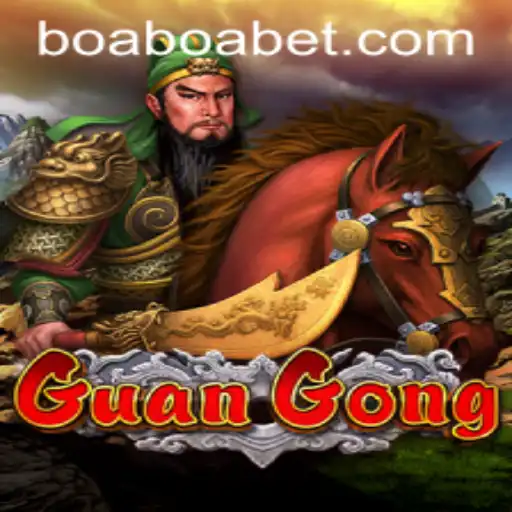
pGuanGong is named after the legendary Chinese general, Guan Yu, renowned for his unmatched martial prowess and unwavering loyalty during the Three Kingdoms period. However, this game is a brainchild of Brazilian innovators who have masterfully intertwined elements of Chinese history with Brazilian flair, creating a truly unique gameplay experience. With the growing trend of cross-cultural influences in entertainment, GuanGong stands as a testament to how diverse inspirations can result in a remarkable creation.p
pDesigned to appeal to both novice and veteran players, GuanGong combines strategic planning with resource management, requiring participants to think several moves ahead. Set against a backdrop reminiscent of historical Chinese landscapes, players find themselves immersed in a world of strategy where each decision carries significant weight.p
h2Gameplay and Mechanics of GuanGongh2
pIn GuanGong, players assume the roles of powerful warlords vying for dominance in a tumultuous era. The game board is split into various territories, each holding specific resources that players must strategically acquire and manage. The central goal is to consolidate power and outmaneuver rivals through a blend of military might, diplomatic maneuvering, and clever resource management.p
pThe game begins with each participant selecting a warlord, each possessing distinct abilities and advantages. This initial choice heavily influences the strategic direction players might take, as some warlords excel in economic expansion while others thrive in military conquest. The diversity in abilities ensures that no two games are alike, offering endless replayability.p
pA typical turn in GuanGong involves multiple phases, starting with resource allocation. Players must carefully distribute their available resources to maintain their armies, build infrastructure, and possibly form alliances. Resource scarcity is a constant threat, requiring players to make judicious decisions about their priorities.p
pNext comes the movement phase, where players can advance their armies across territories. The decision-making process here is crucial, as invading new lands can yield valuable resources but also provokes encounters with rival factions. A keen understanding of the map and opponent intentions is vital to success.p
h2Engaging in Battleh2
pConflict is a core component of GuanGong, adding layers of tension and excitement. Battles are initiated when opposing armies occupy the same territory. The outcome hinges not only on raw military strength but also on the strategic cards that players have accumulated. These cards offer various advantages, ranging from boosting attack power to disrupting enemy plans. Mastering the art of timing and knowing when to engage directly or withdraw tactically forms the bedrock of advancing in GuanGong.p
pEach victory not only expands a player's territory but also grants them prestige points, moving them closer to ultimate victory. However, becoming too aggressive can lead to resource depletion and leave a warlord vulnerable to counterattacks, highlighting the need for a balanced approach.p
h2Diplomacy and Alliancesh2
pBeyond the battlefield, GuanGong encourages players to engage in diplomacy, forging alliances that can provide critical advantages. Temporary truces or resource-sharing agreements can turn the tide of a game, but these pacts are as fragile as they are beneficial. Trust is a rare commodity in GuanGong, where alliances can be dissolved at a moment’s notice based on shifting interests.p
pThe inclusion of a diplomacy phase ensures that GuanGong is a multidimensional game, rewarding players who excel not just in tactical prowess but also in psychological warfare. Reading opponents, predicting their moves, and influencing their decisions form the cerebral aspect of the gameplay.p
h2Current Trends and Impacth2
pIn today’s gaming landscape, where players crave narratives and interconnected stories, GuanGong's thematic depth and strategic layers have struck a chord. It has gained traction not only in Brazil but internationally, with gaming conventions featuring the game in competitions and exhibitions. This global interest is further bolstered by the rise of historical strategy games, with players desiring experiences that transport them to different eras and cultures.p
pMoreover, GuanGong reflects broader societal trends, where cultural exchanges result in innovative creations that defy geographical boundaries. The game's success is a testament to the power of storytelling through gameplay, creating a shared experience that resonates across cultures.p
pAs Brazil continues to emerge as a significant player in the gaming industry, GuanGong is poised to become a flagship example of the country's creative potential. With its mix of strategy, history, and diplomacy, the game offers a rich tapestry for players to explore, underscoring the universal appeal of well-crafted board games.p
h2Conclusionh2
pIn summary, GuanGong stands at the intersection of cultural homage and strategic gameplay, offering players an engrossing experience that challenges their wits and their morals. As its popularity continues to surge, both in Brazil and abroad, GuanGong is not just a game but a cultural artifact, proudly displaying the creative collaboration between different worlds.p
Explore the captivating world of GuanGong, a Brazilian strategy game that combines historical elements and strategic gameplay.